
Algebra Studio Math Labs
Hands-on, collaborative projects where students apply grade-level math.
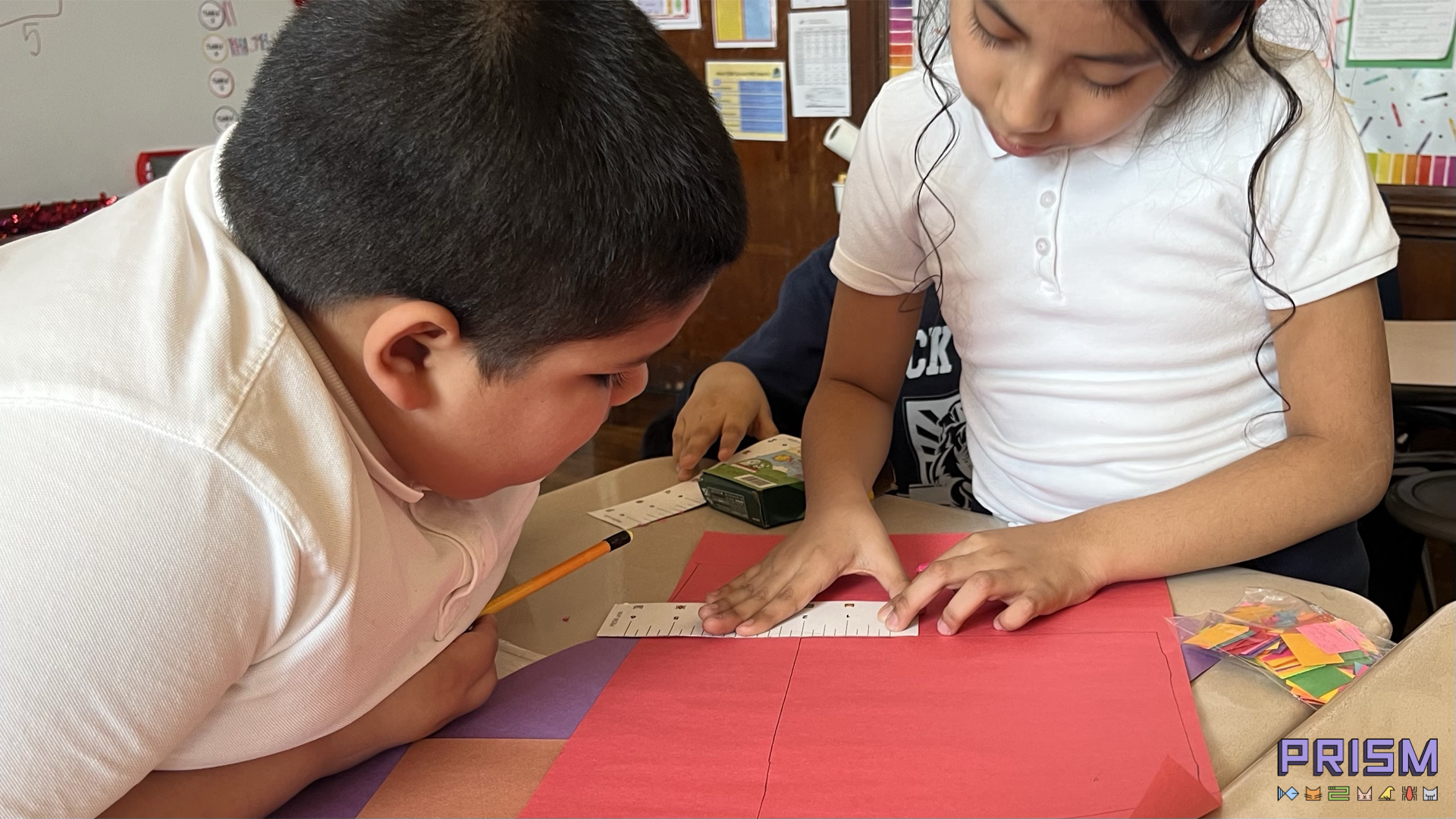
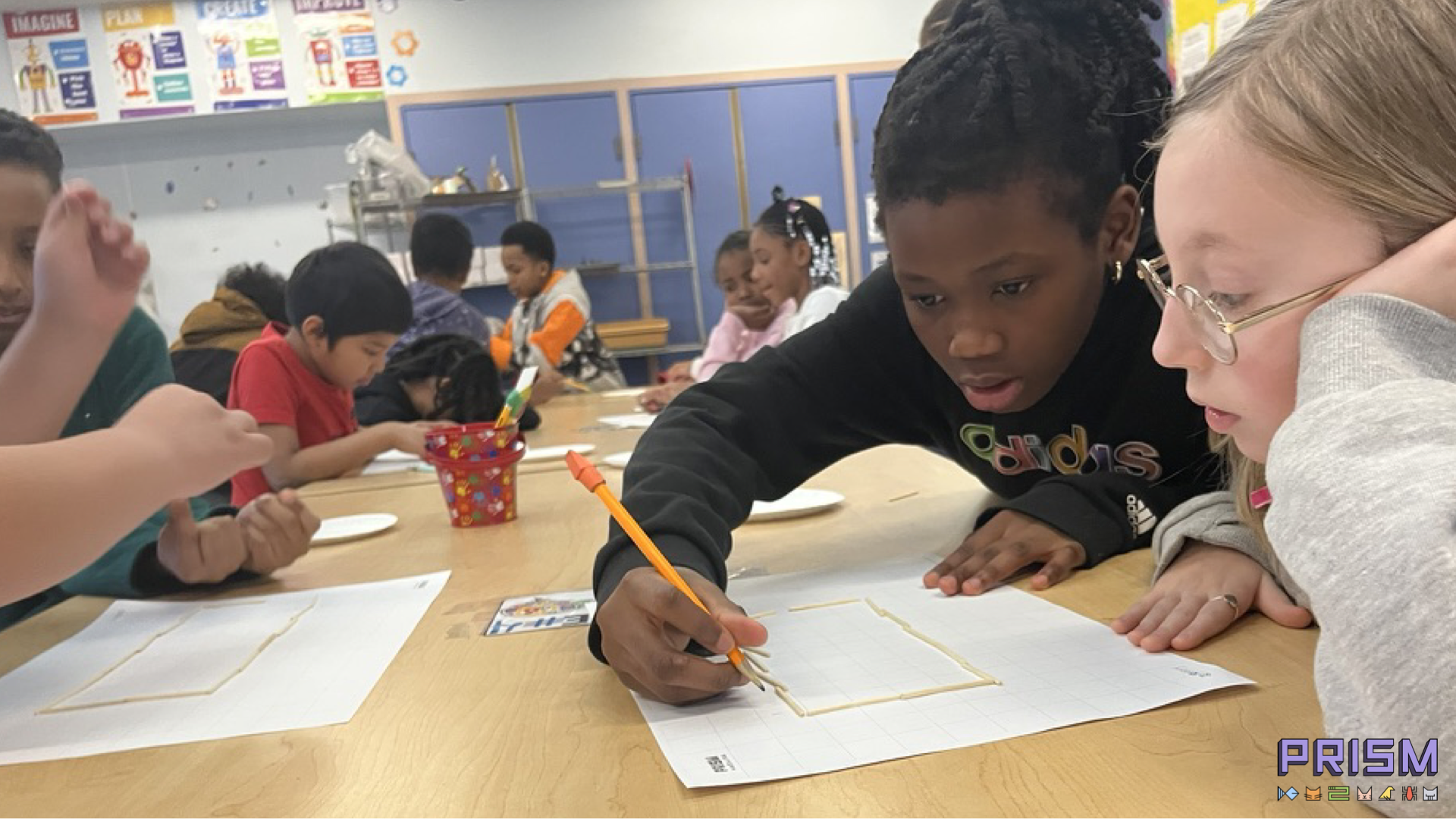
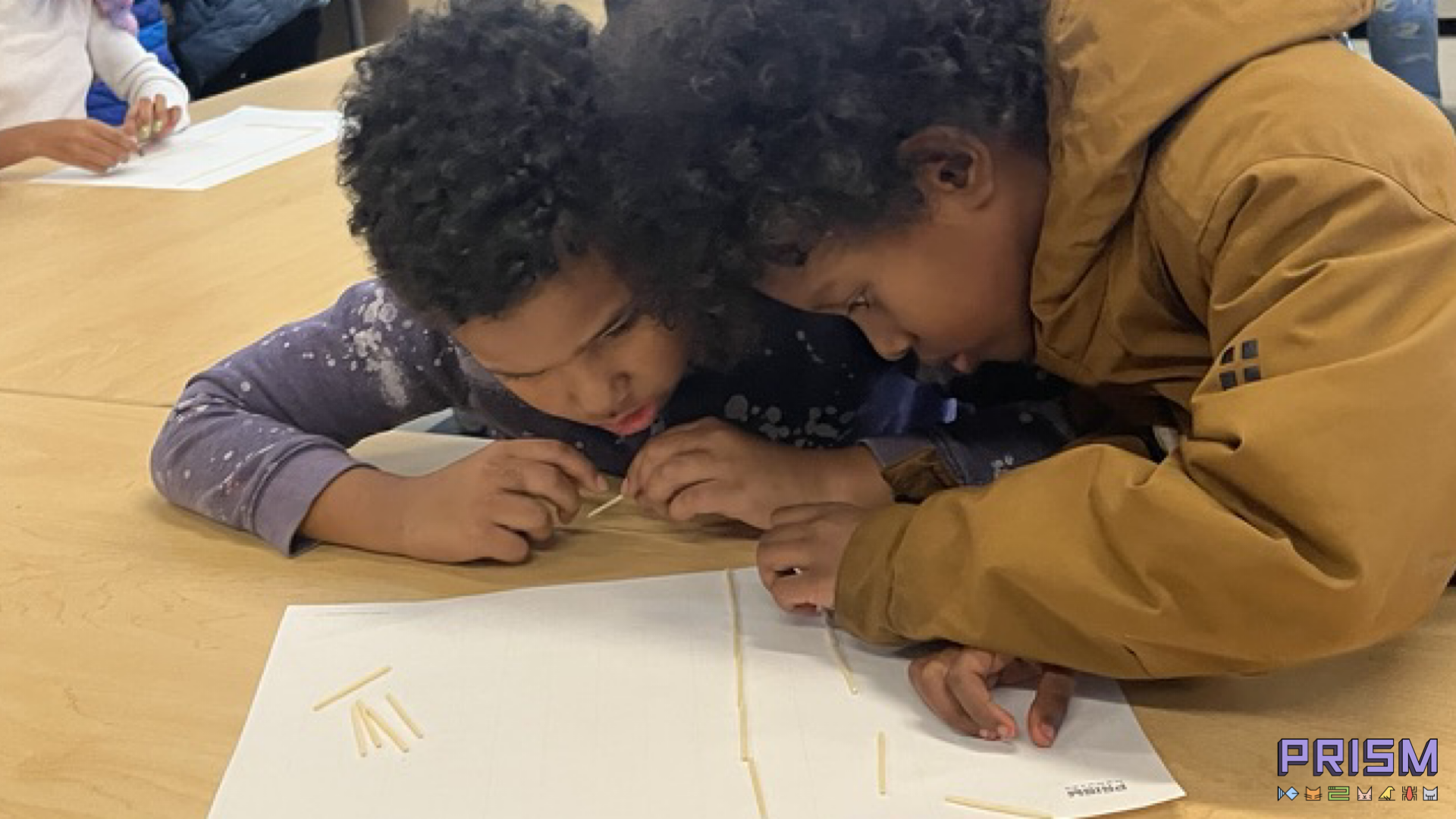
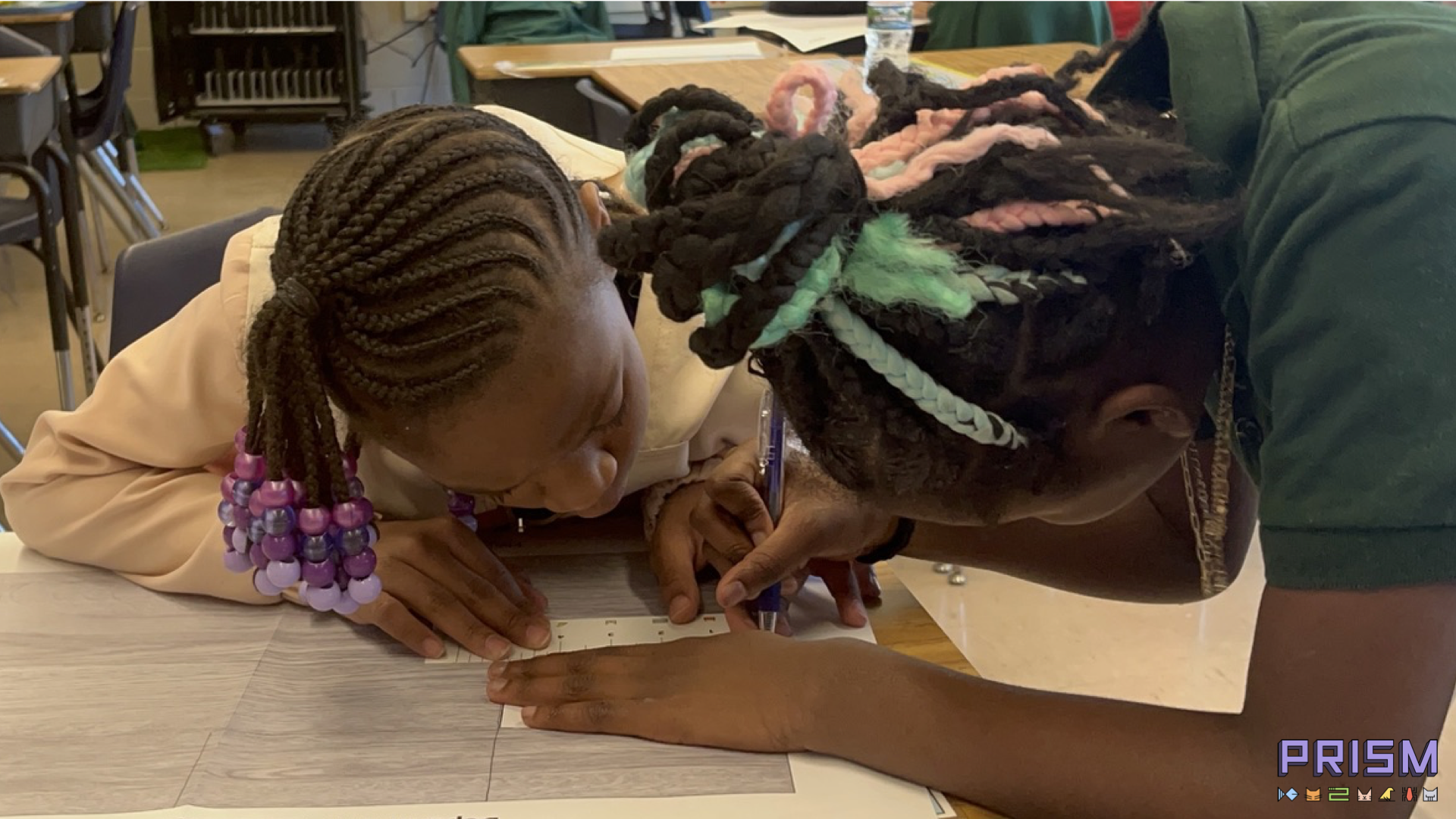
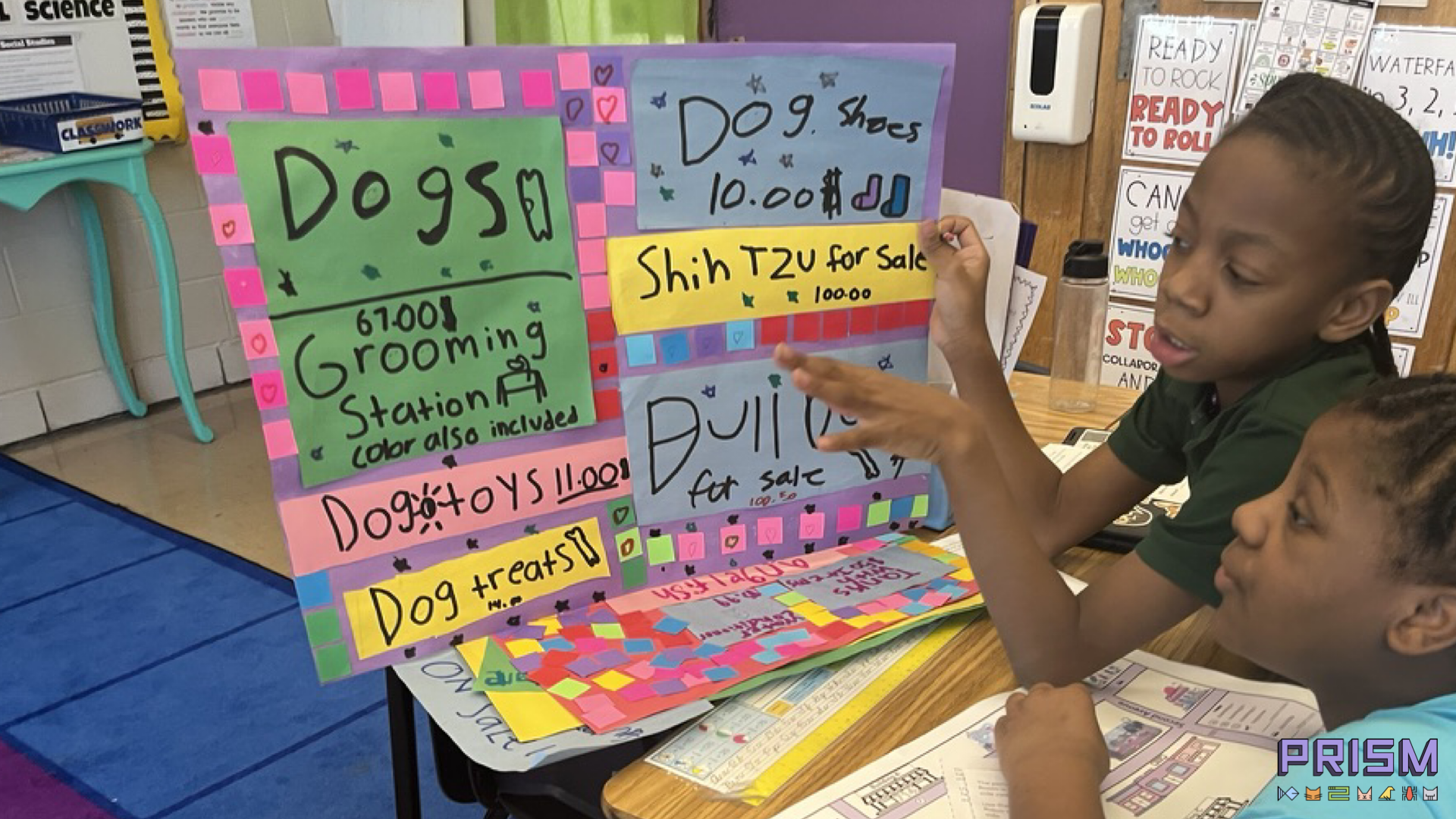
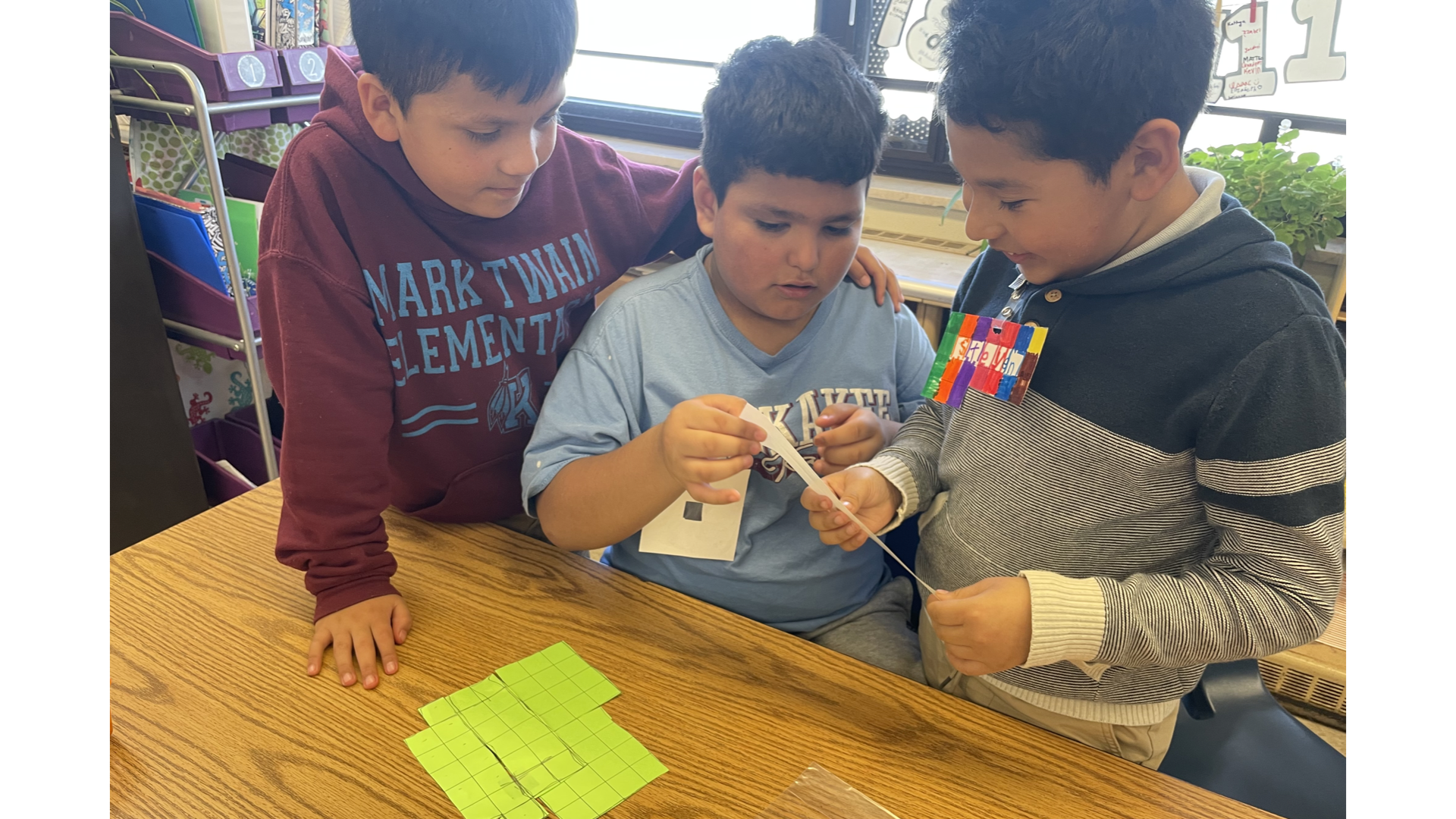
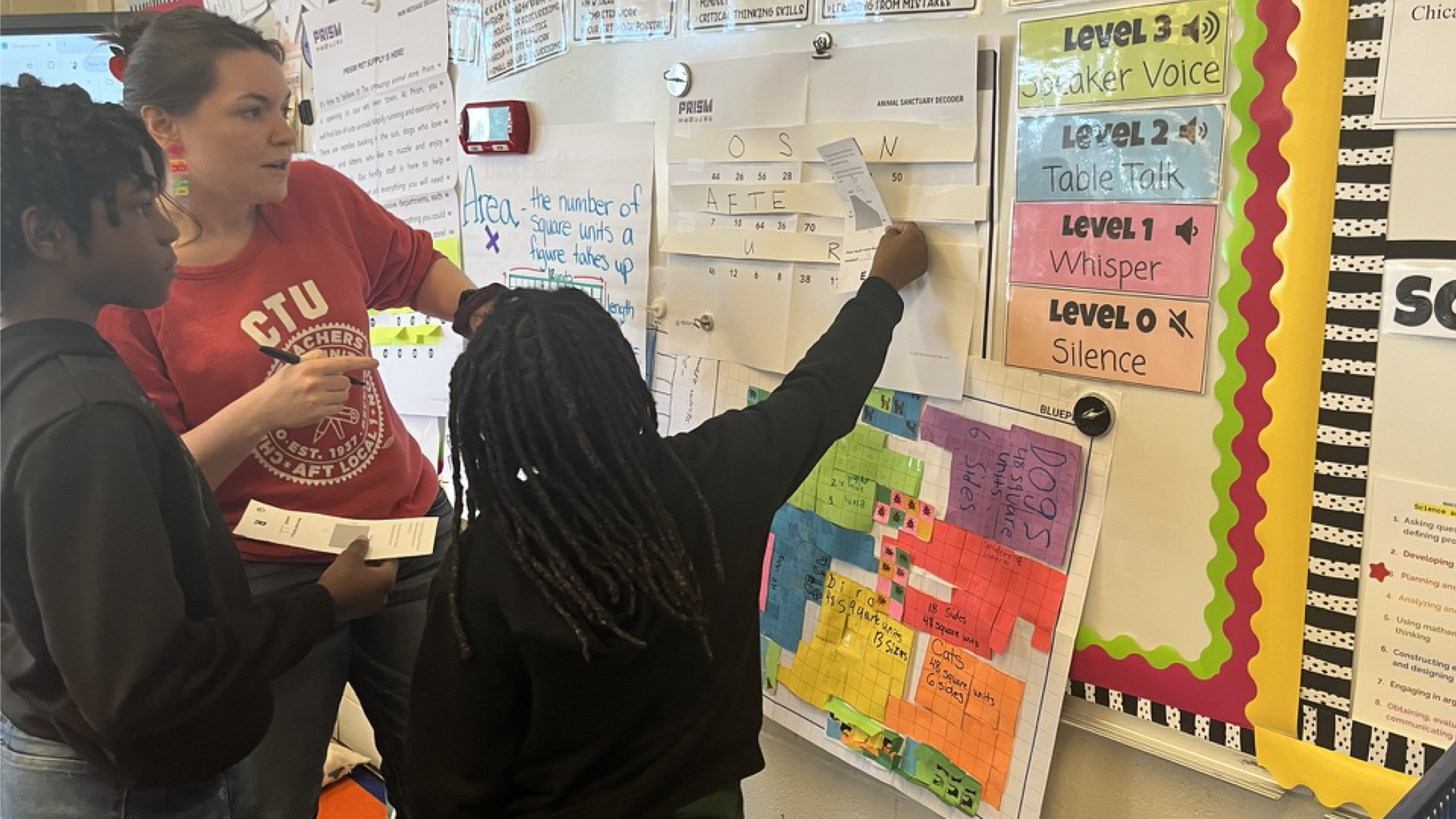
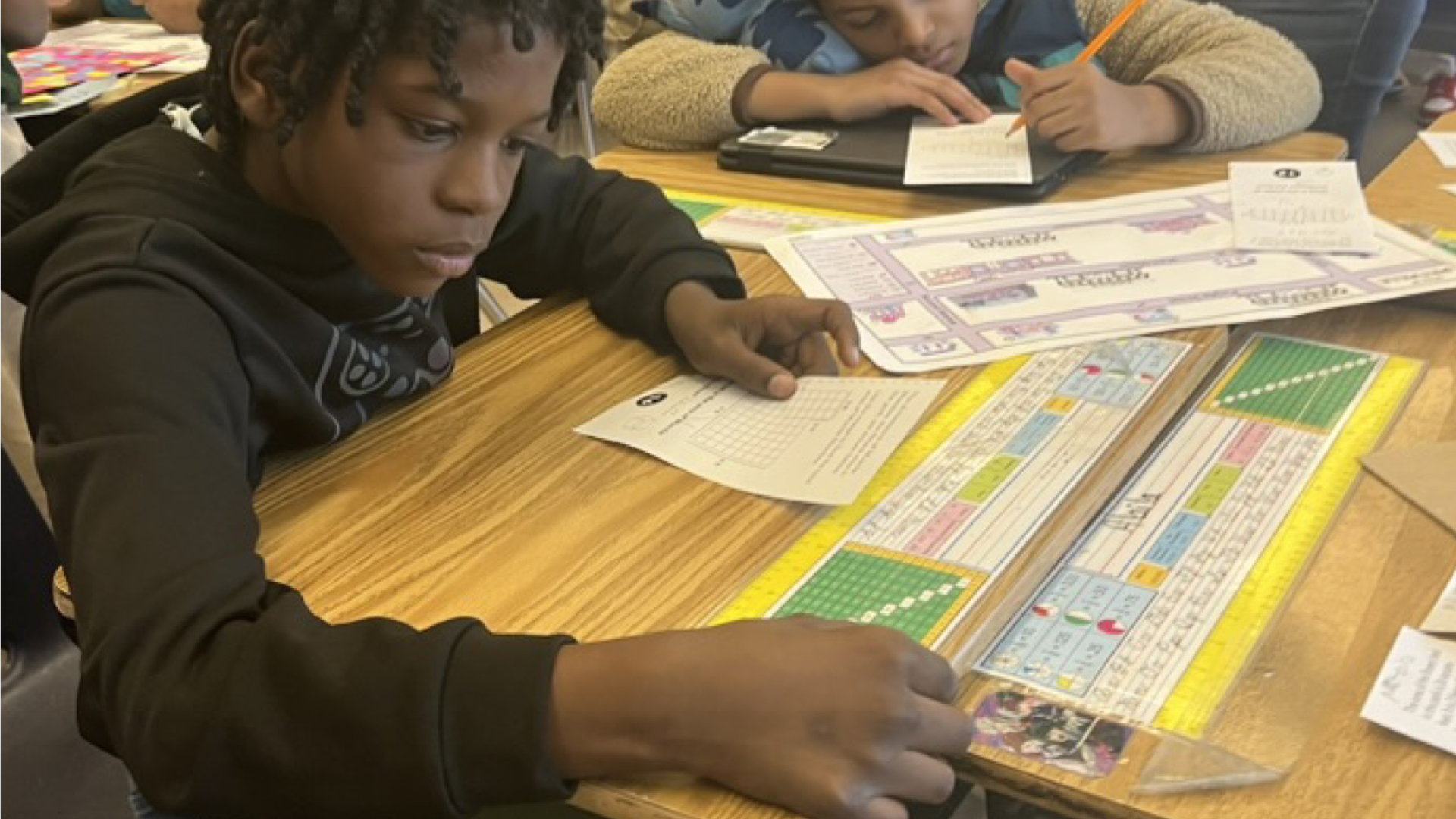
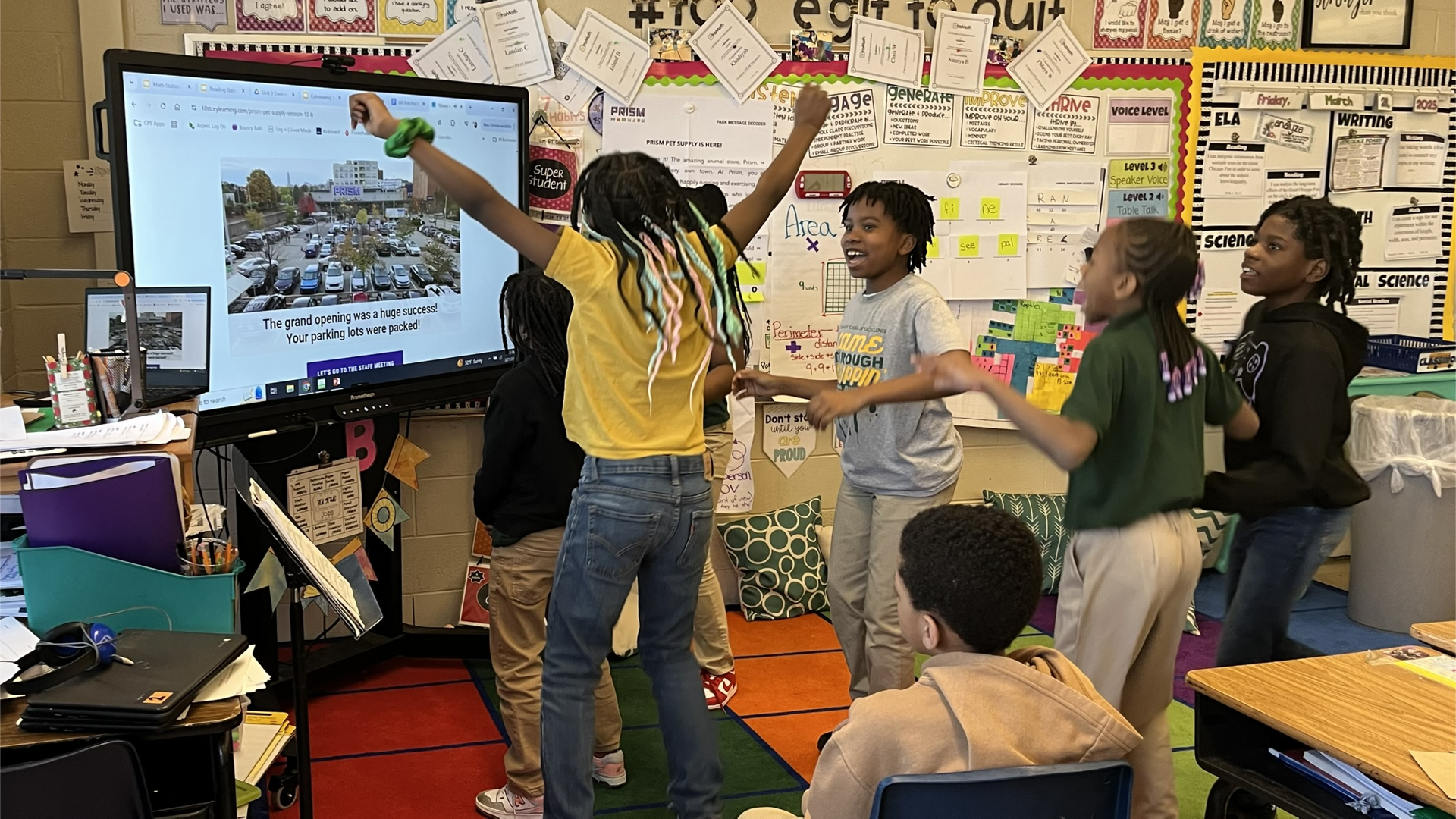
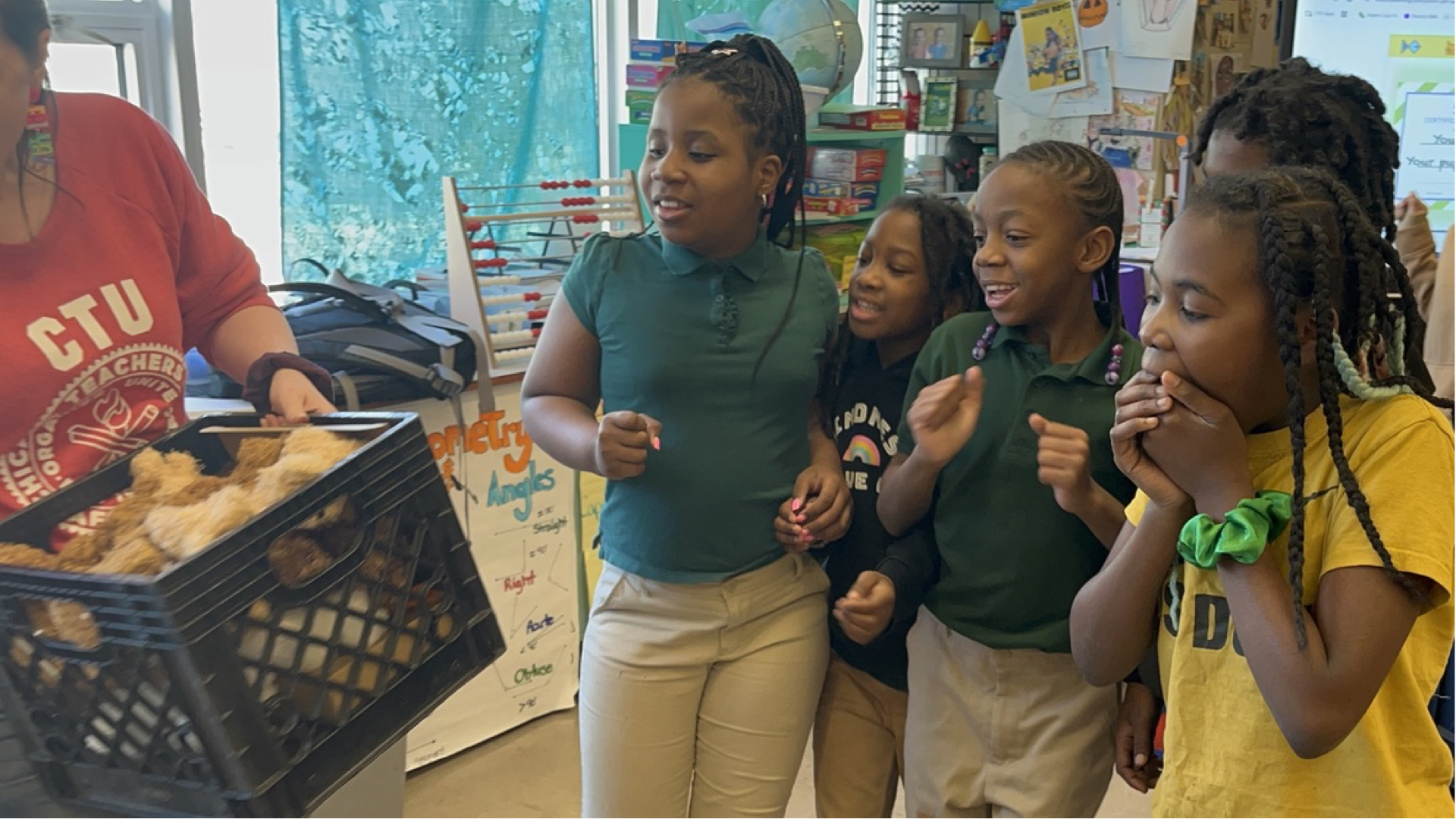
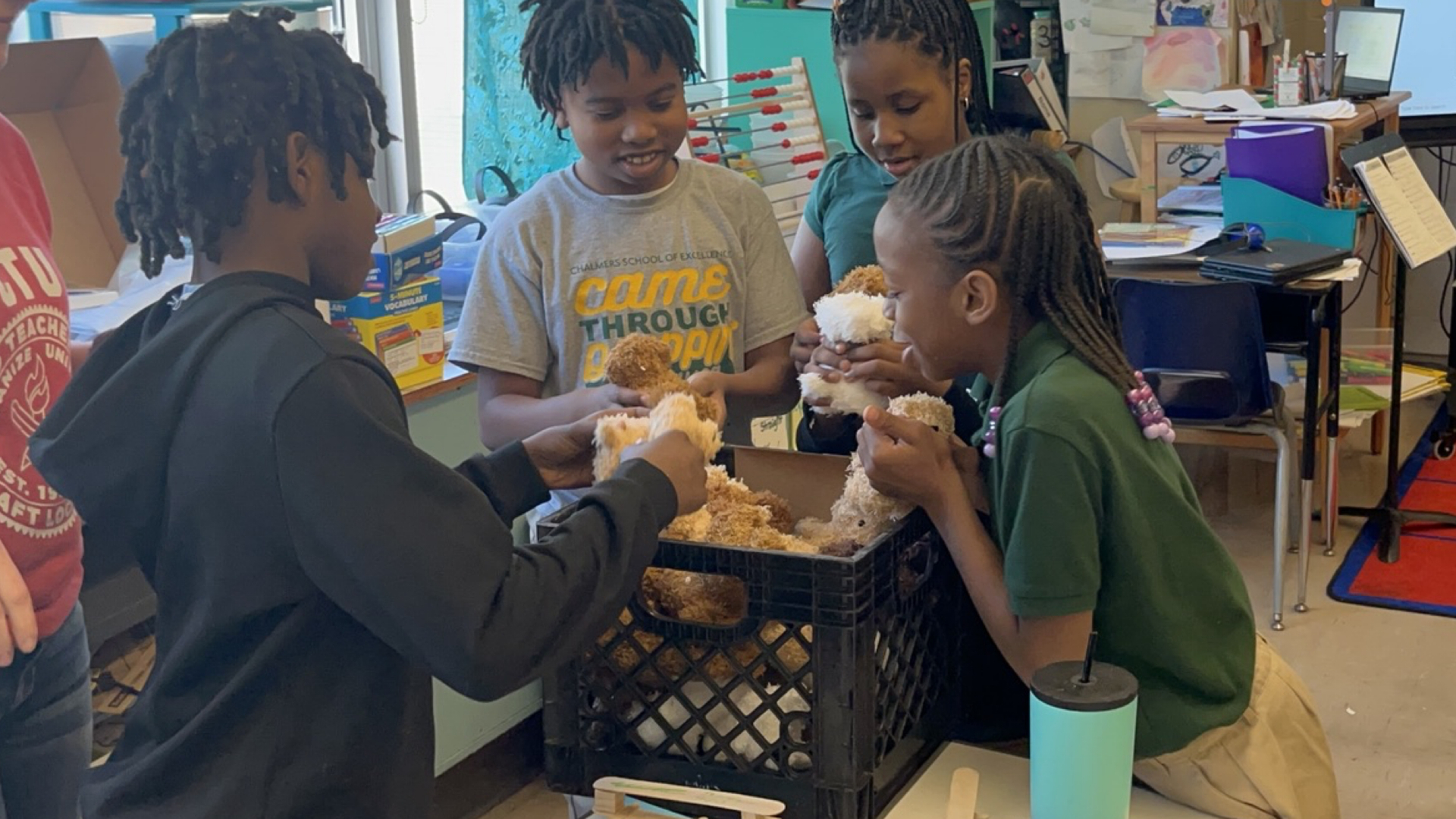
Design a pet supply store using area, perimeter, and multiplication.
Teams of students design departments of a pet supply store using wood blocks, PRISM rulers, and store maps. Each department must fit within a given footprint, shelving has to accommodate real product dimensions, and the final store plan has to work as a whole. The math isn't a worksheet — it's the engineering constraint.
PRISM runs across 10 sessions (15–20 hours). Each session flows through the teaching portal: a slide deck advances the activity, a built-in timer keeps pacing, and Howie's video walkthroughs demonstrate every step. Any teacher can run it.
10-Session Arc
Each session is 60–90 minutes. The project builds across sessions — students return to their store each time.
Hands-On with Howie: PRISM Overview
See what a session looks like. Howie walks through the materials, the activity flow, and what students actually do.
What's in the Kit
Everything a teacher needs. Kit ships ready to use — no sourcing, no laminating.
Wood Blocks
Precision-cut blocks for building store departments. Durable — reuse year after year.
PRISM Rulers
Custom rulers marked in PRISM units for measurement activities.
Store Maps
Large-format planning maps for each team's store layout. Consumable — refill packs available.
Student Workbooks
Guided recording sheets for each session. Consumable — refill packs available.
Teacher Guide
Complete facilitation guide with session-by-session instructions and mathematical notes.
Teaching Portal Access
Slide decks, built-in timer, Howie's video walkthroughs — runs the session for you.
Standards Alignment
Full documentation available. Below are the primary standards addressed.
| Standard | Description | What Students Do |
|---|---|---|
| 3.MD.C.5 | Recognize area as an attribute of plane figures | Design departments with specific area requirements using wood blocks |
| 3.MD.C.6 | Measure areas by counting unit squares | Count PRISM units to verify department sizes meet specifications |
| 3.MD.C.7 | Relate area to multiplication and addition | Calculate area of rectangular departments using multiplication |
| 3.MD.D.8 | Solve problems involving perimeters | Design perimeter fencing for the store with cost constraints |
| 3.OA.A.3 | Use multiplication to solve word problems | Calculate quantities for stocking shelves across multiple departments |
| TEKS 3.6.C | Determine area of rectangles | Same activities align directly to Texas standards |
| TEKS 3.7.B | Determine perimeter of polygons | Perimeter fencing and parking lot design activities |
Kit Options
All kits include teaching portal access, teacher guide, and all physical materials. Durable materials reuse year after year.
Considering a pilot? We offer evaluation partnerships — structured research designs so you can study the impact in your own district.
Two fraction labs. Real materials. Extended projects that build fluency through design challenges.
Design Game X (DGX) — Students design their own board games using fraction mechanics. They create game boards, spinner probability, fraction cards, and scoring systems that require fraction operations to play. 10 sessions, grades 4–6.
Number Block Games (NBG) — Students build and play fraction games using physical number blocks. Equivalence, comparison, and operations through competitive game play. 10 sessions, grades 3–5.
Both labs run through the teaching portal with slide decks, timers, and video walkthroughs. Each is a standalone 10-session project.
Design Game X — 10 Sessions
Number Block Games — 10 Sessions
What's in Each Kit
Each lab (DGX and NBG) is sold separately with its own kit.
Fraction Cards & Blocks
Physical fraction manipulatives designed for each lab's game mechanics. Durable.
Spinners & Game Boards
Custom-designed game components for probability and fraction operations.
Student Workbooks
Guided recording sheets and design templates. Consumable — refill packs available.
Teacher Guide
Complete facilitation guide with session-by-session instructions.
Teaching Portal Access
Slide decks, timer, and Howie's video walkthroughs for every session.
Storage Container
Organized storage for all game components between sessions.
Standards Alignment
Both labs address fraction standards across grades 3–6.
| Standard | Description | What Students Do |
|---|---|---|
| 3.NF.A.1 | Understand a fraction as the quantity formed by 1 part | Build fractions with number blocks; represent on game boards |
| 3.NF.A.3 | Explain equivalence and compare fractions | Equivalence challenges; fraction comparison games |
| 4.NF.A.1 | Explain why a fraction is equivalent to another | Design game mechanics requiring equivalent fraction trades |
| 4.NF.B.3 | Understand addition and subtraction of fractions | Scoring systems that require fraction addition |
| 5.NF.A.1 | Add and subtract fractions with unlike denominators | Advanced game scoring with mixed denominators |
| 5.NF.B.4 | Apply understanding of multiplication to fractions | Probability spinners and scoring multipliers |
| TEKS 3.3.A–F | Number and operations — fractions | Direct alignment through all block and card activities |
Kit Options (per lab)
Design Game X and Number Block Games are each sold as separate kits.
Considering a pilot? We offer evaluation partnerships — structured research designs so you can study the impact in your own district.
Engineer motorized vehicles. Apply ratios, measurement, and proportional reasoning through aerospace contexts.
Finding P.I.P.E.R. — Teams build a motorized vehicle, collect speed and distance data, and use coordinates and graphing to locate a missing robot. Students apply rate, ratio, and measurement in an engineering investigation. 10+ sessions, grades 5–8.
Journey to Titan — Teams engineer a vehicle for a simulated mission to Saturn's moon. Extended design challenges requiring proportional reasoning, unit conversion, and data analysis. 10+ sessions, grades 5–8.
Both labs use Circuit Cubes™ motor kits and run through the teaching portal with full slide decks and video support.
Finding P.I.P.E.R. — 10+ Sessions
Journey to Titan — 10+ Sessions
What's in Each Kit
Finding P.I.P.E.R. and Journey to Titan are each sold separately.
Circuit Cubes™ Motor Kits
Motorized vehicle components — students build real moving vehicles. Durable.
Engineering Materials
Wheels, axles, chassis components, and building supplies for vehicle design.
Measurement Tools
Tape measures, stopwatches, and graphing sheets for data collection.
Student Workbooks
Mission logs, data recording sheets, and graphing templates. Consumable.
Teacher Guide
Complete facilitation guide with engineering notes and mathematical connections.
Teaching Portal Access
Slide decks, timer, and Howie's video walkthroughs for every session.
Standards Alignment
Both labs address grades 5–8 standards in ratios, proportions, and coordinate geometry.
| Standard | Description | What Students Do |
|---|---|---|
| 6.RP.A.1 | Understand the concept of a ratio | Calculate speed ratios from vehicle trials |
| 6.RP.A.3 | Use ratio and rate reasoning to solve problems | Determine distance and time relationships for mission planning |
| 6.NS.C.6 | Understand a rational number as a point on the number line / coordinate plane | Plot vehicle positions on coordinate maps |
| 7.RP.A.2 | Recognize and represent proportional relationships | Scale measurements and fuel calculations proportionally |
| 7.G.A.1 | Solve problems involving scale drawings | Use scale to translate between model and real distances |
| 8.F.B.4 | Construct a function to model a linear relationship | Model speed/distance relationships from experimental data |
| TEKS 6.4.B–D | Ratios and rates | Direct alignment through speed trials and mission data |
Kit Options (per lab)
Finding P.I.P.E.R. and Journey to Titan are each sold as separate kits.
Considering a pilot? We offer evaluation partnerships — structured research designs so you can study the impact in your own district.
Physical balances and ramps. Build algebraic thinking from concrete experience before formal notation.
Balance Lab — Students use physical balance beams, cups, and cubes to explore equality, variables, and equation solving. The balance is the equation — if it tips, something's wrong. 20 lessons across algebraic concepts from expressions through multi-step equations. Grades 6–8.
Slope Lab — Students investigate rate of change using physical ramps, stopwatches, and measurement tools. They build intuition for slope as a ratio of rise to run through hands-on experiments before encountering formal notation. 15 lessons, grades 7–8.
Sold as a bundle: 35 lessons, 40–50 hours of instruction. All durable materials — no refills needed.
Balance Lab — 20 Lessons
Progressive sequence from concrete balance activities to abstract equation solving.
Slope Lab — 15 Lessons
From physical ramp experiments to formal slope notation.
Hands-On with Howie: Balance Lab + Slope Lab
See the materials in action. Howie demonstrates the balance activities and ramp investigations.
What's in the Kit
Bundle includes materials for both Balance Lab and Slope Lab. All durable — no consumables, no refills.
Physical Balances
Classroom-grade balance beams for equation activities. Built to last.
Cups & Cubes
Cups represent variables, cubes represent constants. The physical algebra system.
Ramp Kits
Adjustable ramps for slope investigations. Multiple angle settings.
Stopwatches & Tape Measures
Data collection tools for rate-of-change experiments.
Graphing Sheets
Pre-formatted data recording and graphing templates.
Teaching Portal Access
Slide decks, timer, and Howie's video walkthroughs for all 35 lessons.
Standards Alignment
Balance Lab covers algebraic expressions through multi-step equations. Slope Lab covers rate of change through linear functions.
| Standard | Description | What Students Do |
|---|---|---|
| 6.EE.A.2 | Write, read, and evaluate expressions | Represent balance configurations as algebraic expressions |
| 6.EE.B.5 | Understand solving an equation as finding the value that makes it true | Find unknown values by balancing — physically remove cubes to isolate the cup |
| 7.EE.B.4 | Use variables to represent quantities; solve equations | Translate multi-cup balance problems into formal equations and solve |
| 8.EE.C.7 | Solve linear equations in one variable | Multi-step balance challenges with distribution and combining like terms |
| 7.RP.A.2 | Recognize and represent proportional relationships | Measure ramp data; identify proportional speed/distance relationships |
| 8.EE.B.5 | Graph proportional relationships; interpret unit rate as slope | Graph ramp experiment data; connect physical slope to mathematical slope |
| 8.F.A.3 | Interpret the equation y = mx + b as defining a linear function | Model ramp data with linear equations; predict new values |
| TEKS 6.10 | Expressions and equations | Direct alignment through all balance activities |
| TEKS 8.4–8.5 | Proportional relationships and linear functions | Direct alignment through all ramp investigations |
Kit Options (Bundle: Balance Lab + Slope Lab)
Sold as a bundle. All materials are durable — no consumable refills needed.
Considering a pilot? We offer evaluation partnerships — structured research designs so you can study the impact in your own district.