Hands-on mathematics experiences for grades 3–9,
built by researchers and teachers.
Kids learn math by doing things with their hands and working together on fun projects.
Watch what happens when students can touch the algebra
"I was able to get a visual, and actually, like, understand it." — 8th grade student, Chicago
Students demonstrate Balance Lab and explain — in their own words — what it means to understand and solve equations with physical objects.
Multi-week hands-on math projects
Multi-week, hands-on projects where students build, measure, design, and argue about math. Physical materials, teacher portal with slides and video walkthroughs, and everything you need to run it.
27 print-and-play math games
Quick to learn, fun to play, genuinely mathematical. Area, fractions, coordinates, operations, algebraic thinking. Download & print game materials, then use an app to play.
Free tools for whole class or small group
Use now in a browser on any device.
- Math Stories: Build fun story problems
- Mega Bingo: Practice fraction operations
- Tick Tock Bingo: Practice working with time
Math Labs
See all 7 labs →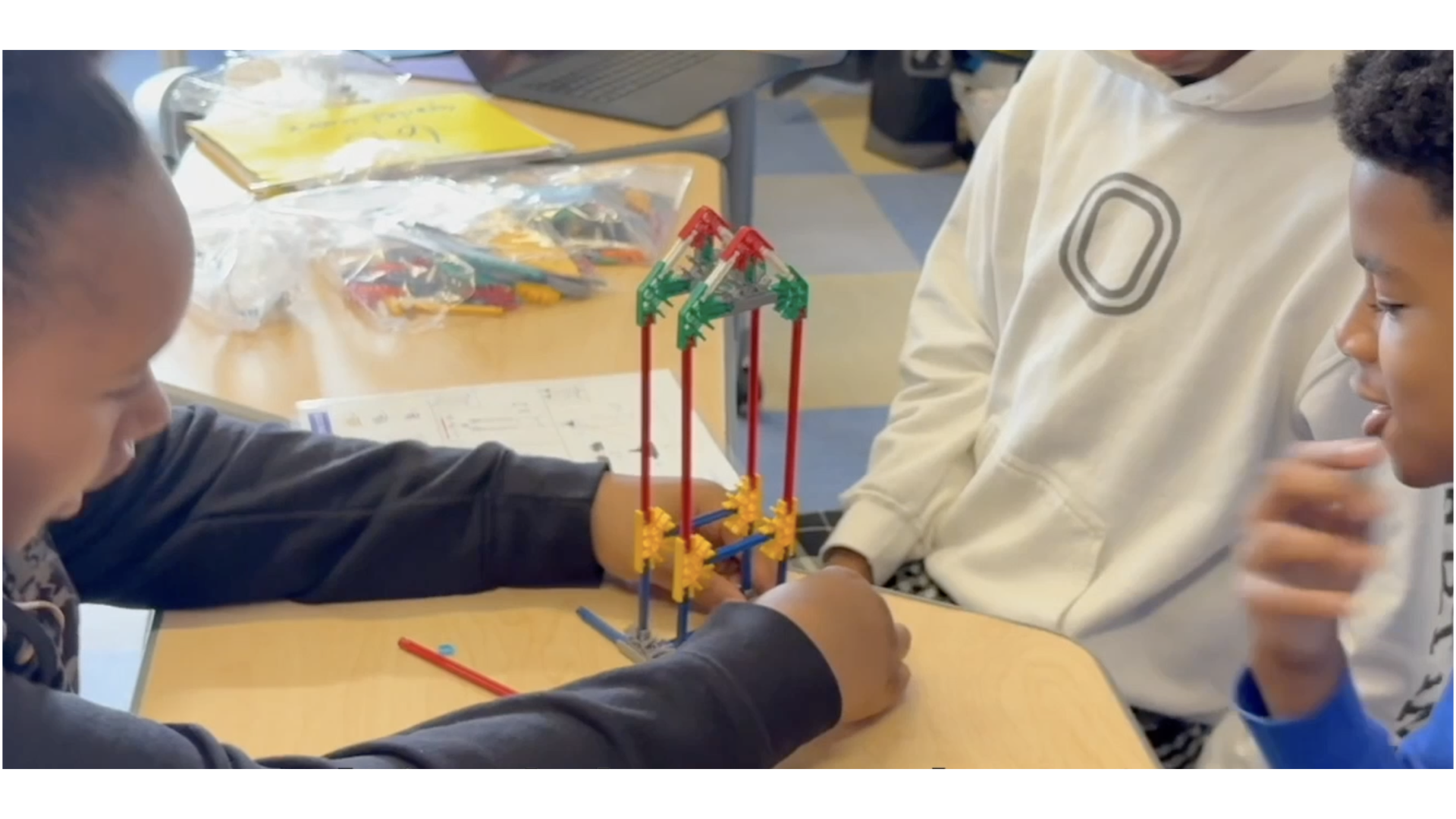

Balance Lab
Physical balance scales, cups, and cubes to model equations — from one-step to variables on both sides.


Slope Lab
Build motorized racers, collect distance/time data, discover slope, and write equations in y = mx + b form.

PRISM: Grand Opening
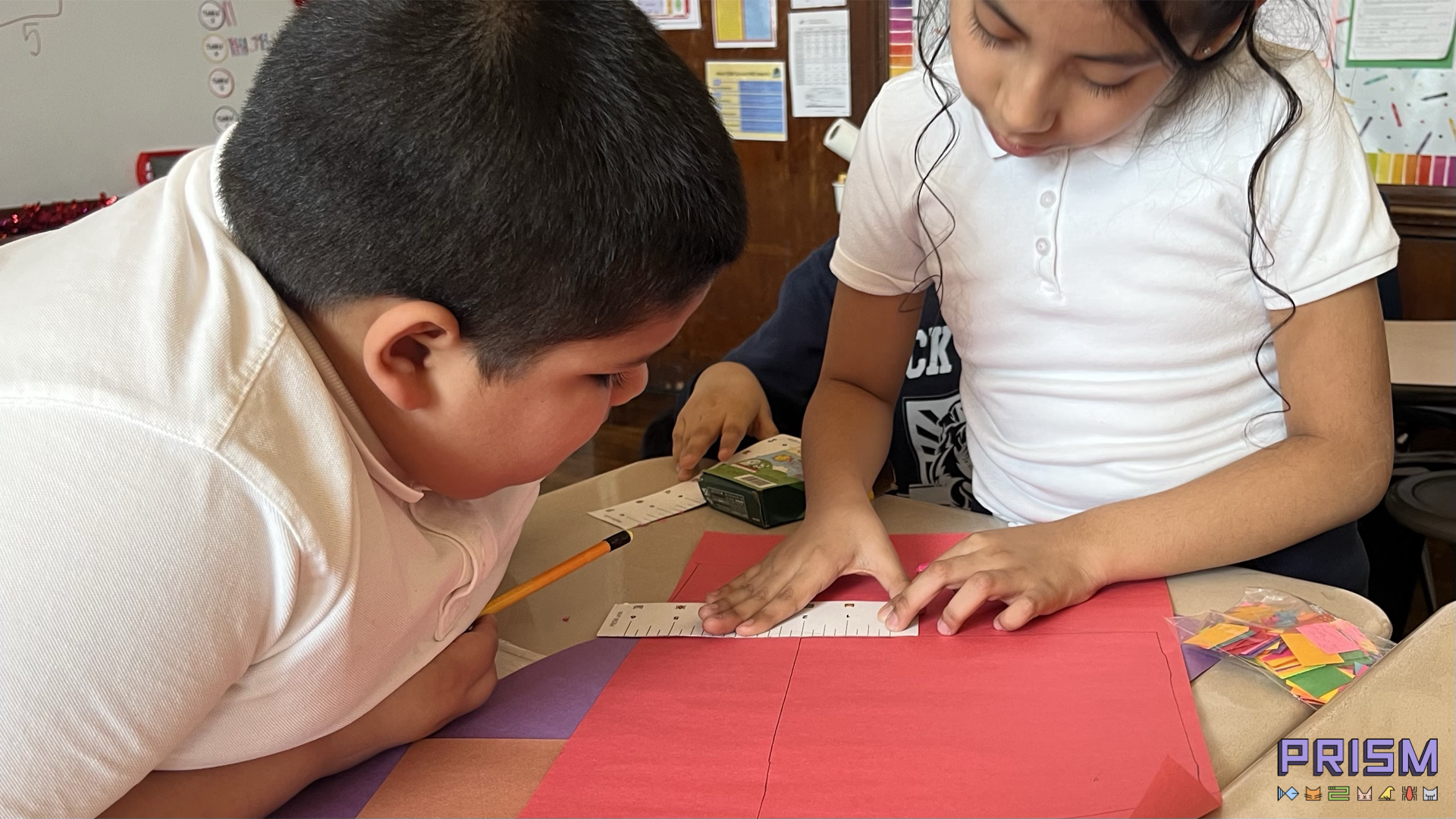
Design a pet supply store — area, perimeter, arrays, and multiplication through a business simulation.
Short, focused math mini-lessons covering a broad range of standards from grades 3–8. Area and arrays, fraction operations, coordinate graphing, algebraic reasoning, and more — taught by veteran math educator Howie Templer.
Watch the video libraryWho built this
Algebra Studio was developed by a learning scientist, a children’s book author, and a veteran math teacher. The collection draws on research in the cognitive and learning sciences — how hands-on activity grounds mathematical cognition, and how students construct knowledge by reasoning through problems together. Every lab is built in the design tradition: developed, tested, and refined in real classrooms.